
"mountain range"
3000 article(s) found

Introduction to the description of taste and flavor of Colombian Jindio coffee beans
Description of taste and flavor of Colombian Jindio coffee beans Origin introduction the suitable climate in Colombia provides a real natural pasture for coffee. Coffee trees in Colombia are mainly cultivated in the Andes, on steep slopes about 1300 meters above sea level, where the annual temperature is about 18 degrees Celsius, annual rainfall is 2000 to 3000 millimeters, and latitude 1-1.

A brief introduction to the planting Market Price of Fine Coffee Bean varieties in the unique and mellow Shaqisuo producing area
Sidamo Coffee this coffee grows in areas ranging from 1400 to 2200 meters above sea level on the shoulder slopes of the Rift Valley in East Africa. Natural (sun-cured) and washed coffee are of unique quality, moderate pH and good quality. It is estimated that out of 61000 hectares of cultivated area, the average annual production of this coffee is 37000 tons (equivalent to 620000 bags of 60 kg coffee). Harald

The main coffee-producing area of Colombia, the Andes.
The planting environment edits Colombia's suitable climate to provide a real natural pasture for coffee. Coffee trees in Colombia are mainly cultivated in the Andes, on steep slopes about 1300 meters above sea level, where the annual temperature is about 18 degrees Celsius, annual rainfall is 2000 to 3000 mm, latitude 1-11 15 north and longitude 72-78 west. The specific range of elevation can be exceeded.

A brief introduction to the cultivation of fine coffee beans in the unique mellow Shaqisuo producing area, geographical location, climate and altitude
Sidamo Coffee this coffee grows in areas ranging from 1400 to 2200 meters above sea level on the shoulder slopes of the Rift Valley in East Africa. Natural (sun-cured) and washed coffee are of unique quality, moderate pH and good quality. It is estimated that out of 61000 hectares of cultivated area, the average annual production of this coffee is 37000 tons (equivalent to 620000 bags of 60 kg coffee). Harald

Colombia Lazmus Estate Coffee Flavor Taste Variety Features
Colombia, located in the northwest of South America, is a beautiful country with a long history. Indians have lived on this land since ancient times. It became a Spanish colony in 1531 AD and gained independence in 1819. It was renamed in 1886 to commemorate Columbus, the discoverer of the American continent. Colombia, beautiful mountains, beautiful scenery, pleasant climate, four seasons

A brief introduction to the treatment method of grinding degree and baking degree of high-quality coffee beans in Shaqisuo producing area
Yirgachefe Coffee this coffee grows in areas ranging from 1500 to 2200 meters above sea level. This coffee is washed in a clear stream, carefully selected by hand and exposed to plenty of sunshine. The taste is unique; the fruit is medium-sized, comparable to Mocha. The taste is mellow, the charm is unique, it gives people a fresh feeling, and the market prospect is optimistic. According to estimates, in 4200

A brief introduction to the treatment method of grinding degree and baking degree of high-quality coffee beans in Xia Qisuo producing area
Limu Coffee this coffee grows in areas ranging from 1400 to 2000 meters above sea level. After wet processing, this kind of coffee has a rich fragrance, a full fruit with moderate acidity and alkalinity, high quality and attractive spicy flavor. It is estimated that out of 49000 hectares of cultivated area, the average annual production of this coffee is 29000 tons (equivalent to 480000 bags of 60 kg coffee).

Growing environment in the Andes, a coffee-growing region in Colombia
The suitable climate in Colombia provides a real natural pasture for coffee. Coffee trees in Colombia are mainly cultivated in the Andes, on steep slopes about 1300 meters above sea level, where the annual temperature is about 18 degrees Celsius, annual rainfall is 2000 to 3000 millimeters, latitude 1-11 15 north, longitude 72-78 west, and the specific range of elevation can exceed 2.000 meters. By

Do you have Blue Mountain Coffee anywhere else? what is the Blue Mountain coffee of Cuban coffee?
Professional coffee knowledge exchange more coffee bean information please follow the coffee workshop (Wechat official account cafe_style) the origin of Cuban Crystal Mountain Coffee [CubitaCoffee], in Cuba, coffee cultivation is managed by the state, the Cuban region has fertile land, humid climate, abundant rain, can be called a natural treasure place for coffee cultivation, the suitable natural conditions for the growth of coffee trees

A brief introduction to the planting situation of fine coffee beans in Shaqisuo producing area with rich alcohol thickness, geographical location, climate and altitude
Yirgachefe Coffee this coffee grows in areas ranging from 1500 to 2200 meters above sea level. This coffee is washed in a clear stream, carefully selected by hand and exposed to plenty of sunshine. The taste is unique; the fruit is medium-sized, comparable to Mocha. The taste is mellow, the charm is unique, it gives people a fresh feeling, and the market prospect is optimistic. According to estimates, in 4200

A brief introduction to the treatment method of grinding degree and baking degree of fine coffee beans in Shaquiso producing area with wild taste.
This coffee grows in areas ranging from 1400 to 2200 meters above sea level on the shoulder slopes of the Rift Valley in East Africa. Natural (sun-cured) and washed coffee are of unique quality, moderate pH and good quality. It is estimated that out of 61000 hectares of cultivated area, the average annual production of this coffee is 37000 tons (equivalent to 620000 bags of 60 kg coffee). Harald Coffee this coffee

A brief introduction to the treatment method of grinding degree and baking degree of fine coffee beans in Shaqisuo producing area with rich alcohol thickness
Yirgachefe Coffee this coffee grows in areas ranging from 1500 to 2200 meters above sea level. This coffee is washed in a clear stream, carefully selected by hand and exposed to plenty of sunshine. The taste is unique; the fruit is medium-sized, comparable to Mocha. The taste is mellow, the charm is unique, it gives people a fresh feeling, and the market prospect is optimistic. According to estimates, in 4200

Introduction to the varieties of Colombian coffee beans produced by the method of grinding scale flavor description
The suitable climate in Colombia provides a real natural pasture for coffee. Coffee trees in Colombia are mainly cultivated in the Andes, on steep slopes about 1300 meters above sea level, where the annual temperature is about 18 degrees Celsius, annual rainfall is 2000 to 3000 millimeters, latitude 1-11 15 north, longitude 72-78 west, and the specific range of elevation can exceed 2.000 meters. By

Colombia Sanrita Manor Coffee Flavor Description Grind Characteristics Variety Taste Introduction
Colombia's favourable climate provides a truly natural pasture for coffee. Coffee trees in Colombia are mainly cultivated in the Andes mountains, on steep slopes up to 1,300 meters above sea level, where the annual temperature is about 18 degrees Celsius, the annual rainfall is 2000 to 3000 mm, the latitude is 1 - 11 15, the longitude is 72 - 78, and the specific altitude range can exceed 2.000 meters. by

How to produce coffee Harald coffee beans in the highland mountains of eastern Ethiopia
Ethiopian Harald Ethiopian coffee is mostly produced in the plateau above 2000 meters above sea level, with large producing areas such as Djimma, Gambi, Yirgachefe, Sidamo and Harald (Harar). Among them, Montenegro in Harald is the only place in the world with wild coffee, which is auctioned in London every year.
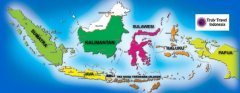
Indonesian Aceh Coffee Story characteristics of Geographic Environment and Flavor of Indonesian Coffee beans
Aceh coffee is simple, spicy and usually full of cocoa, nuts and licorice roots. It's the classic taste of Manning Coffee. In our daily quality cup test, we notice how these coffees touch completely different sensory ranges. When we write down the delightfully thick body of these coffees, the spices and herbs spread out in layers. For example, Blue Mountain Coffee is the most direct.

Colombian coffee growing environment
The suitable climate in Colombia provides a real natural pasture for coffee. Coffee trees in Colombia are mainly cultivated in the Andes, on steep slopes about 1300 meters above sea level, where the annual temperature is about 18 degrees Celsius, annual rainfall is 2000 to 3000 millimeters, latitude 1-11 15 north, longitude 72-78 west, and the specific range of elevation can exceed 2.000 meters. By

Colombian coffee growing environment
The suitable climate in Colombia provides a real natural pasture for coffee. Coffee trees in Colombia are mainly cultivated in the Andes, on steep slopes about 1300 meters above sea level, where the annual temperature is about 18 degrees Celsius, annual rainfall is 2000 to 3000 millimeters, latitude 1-11 15 north, longitude 72-78 west, and the specific range of elevation can exceed 2.000 meters. By

Coffee growing areas in the Andes of Colombia at an altitude of 1,300 meters
Colombia's favourable climate provides a truly natural pasture for coffee. Coffee trees in Colombia are mainly cultivated in the Andes mountains, on steep slopes up to 1,300 meters above sea level, where the annual temperature is about 18 degrees Celsius, the annual rainfall is 2000 to 3000 mm, the latitude is 1 - 11 15, the longitude is 72 - 78, and the specific altitude range can exceed 2.000 meters. by

Introduction to the unique flavor and taste characteristics of Ethiopian coffee manor
A large amount of coffee production (95%) is done by small shareholders, with an average yield of 561 kg per hectare. For centuries, minority holders of Ethiopian coffee farms have been producing a variety of high-quality types of coffee. The secret of producing high-quality coffee is that coffee growers have developed environmental conditions through generations of repeated learning about the coffee planting process.